How to Fix a Leaking Pipe and Improve Your Home’s Water Efficiency
by Proactive Fixes ·
Key Takeaways:
- Pipe leaks often start small but can quickly escalate into major problems like water damage, mold growth, and higher utility bills if they’re not addressed early.
- Many leaks are caused by predictable issues such as corrosion, high water pressure, aging materials, or loose fittings, meaning prevention and inspection play a big role in avoiding them.
- Hidden leaks can be more damaging than visible ones, and warning signs like rising water bills, damp walls, musty odors, or low water pressure should never be ignored.
- A successful repair depends heavily on proper preparation, including shutting off the water supply, accurately locating the leak, and thoroughly cleaning the area before applying any sealant or fix.
- Temporary fixes can help reduce damage in urgent situations, but they are not long-term solutions and should be followed by a proper repair or replacement when needed.
- Fixing leaks improves overall household water efficiency by reducing waste, stabilizing pressure, and lowering long-term utility costs while protecting plumbing systems.
- Preventive maintenance, regular inspections, and timely repairs are key to avoiding recurring issues and reducing the risk of costly emergency plumbing failures.
A leaking pipe might seem like a small annoyance at first, especially if it’s just a slow drip under the sink or a faint damp patch on the wall. But over time, even minor leaks can lead to serious water waste, structural damage, mold growth, and rising utility bills. Many homeowners don’t realize how much water is lost through small leaks until the monthly bill arrives or visible damage appears.
The good news is that not all pipe leaks require immediate full-scale plumbing work. In many cases, you can identify the issue early, apply a safe fix, and take steps to improve your home’s overall water efficiency at the same time. Understanding what causes leaks, how to respond quickly, and when to repair versus replace can make a big difference in both cost and long-term home maintenance.
This guide breaks everything down in a practical, easy-to-follow way so you can handle leaks with confidence and reduce unnecessary water waste in your home.
Why Do Pipes Start Leaking in the First Place?
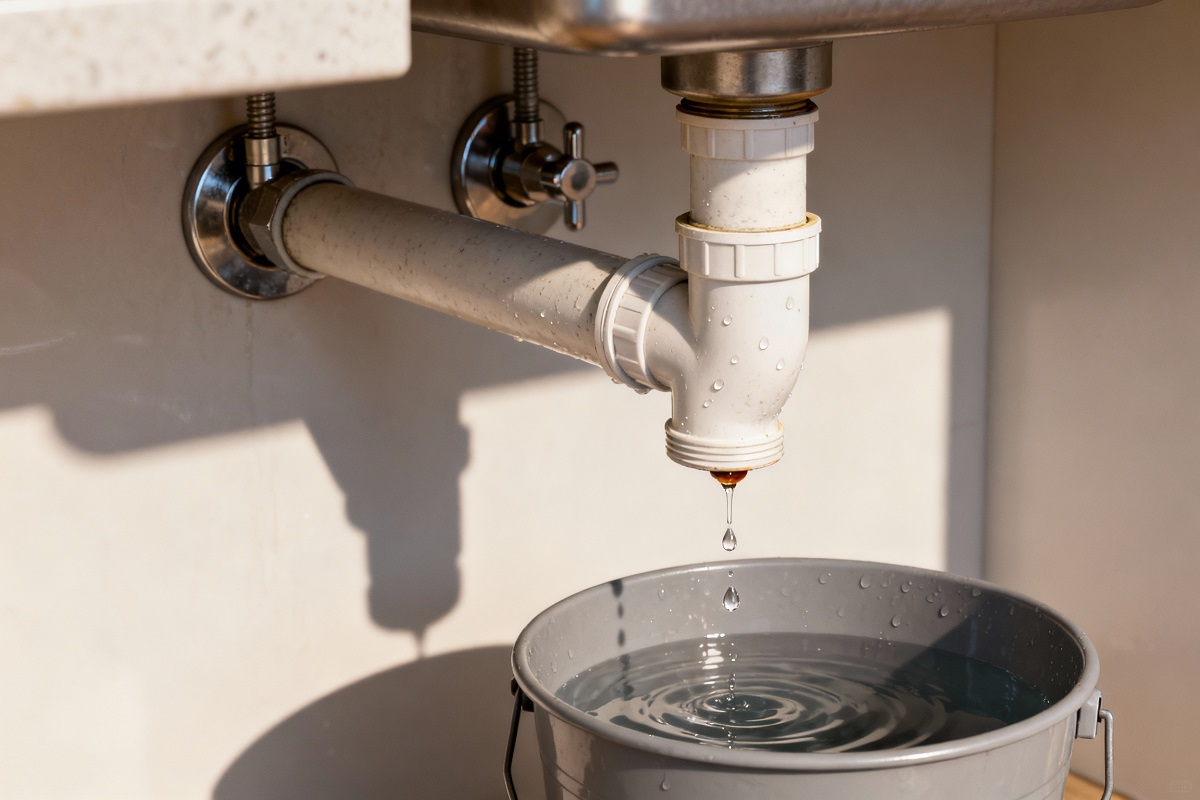
Pipe leaks don’t happen randomly. They usually develop because of a combination of age, pressure, material wear, or installation issues. Understanding the root cause helps you choose the right repair approach instead of just patching the symptom.
Some of the most common causes include:
- Corrosion inside older metal pipes
- High water pressure stressing joints and fittings
- Temperature changes causing expansion and contraction
- Poor installation or loose connections
- Physical damage from drilling, shifting walls, or impact
- Clogged pipes increasing internal pressure
In older homes, corrosion is often the biggest issue. Metal pipes gradually weaken over time, and even a small pinhole can turn into a steady leak. In newer homes, leaks are more often related to pressure imbalances or poorly sealed joints.
If multiple leaks appear in different areas of your home, it may signal a broader plumbing issue rather than an isolated problem.
How Can You Tell If You Have a Hidden Pipe Leak?
Not all leaks are visible. Some occur behind walls, under floors, or in ceilings where damage builds up slowly before becoming obvious.
Here are warning signs to watch for:
- Unexplained increase in water bills
- Musty odors in certain rooms
- Damp or discolored walls and ceilings
- Mold or mildew growth in unusual places
- Low water pressure in fixtures
- Sounds of running water when everything is turned off
You may also notice warm spots on floors if a hot water line is leaking underneath. In some cases, paint or wallpaper may start bubbling or peeling due to trapped moisture.
Catching these early indicators is essential because hidden leaks tend to cause more structural damage than visible ones. The sooner you investigate, the easier the repair process becomes.
What Tools Do You Need to Fix a Leaking Pipe at Home?
Before attempting any repair, it’s important to gather the right tools. Having everything ready helps you work safely and avoid unnecessary interruptions.
Basic tools and materials often include:
- Pipe wrench or adjustable wrench
- Pipe repair clamp or rubber patch kit
- Plumber’s tape (Teflon tape)
- Epoxy putty for sealing small cracks
- Bucket and towels for water control
- Pipe cutter (for more advanced repairs)
- Replacement fittings or connectors
- Gloves and safety glasses
For minor leaks, you might only need a wrench and sealing tape. However, more serious damage may require cutting and replacing a section of pipe.
Always shut off the main water supply before starting any repair. This prevents further leakage and ensures a safer working environment.
Step-by-Step Guide: How to Fix a Leaking Pipe Safely
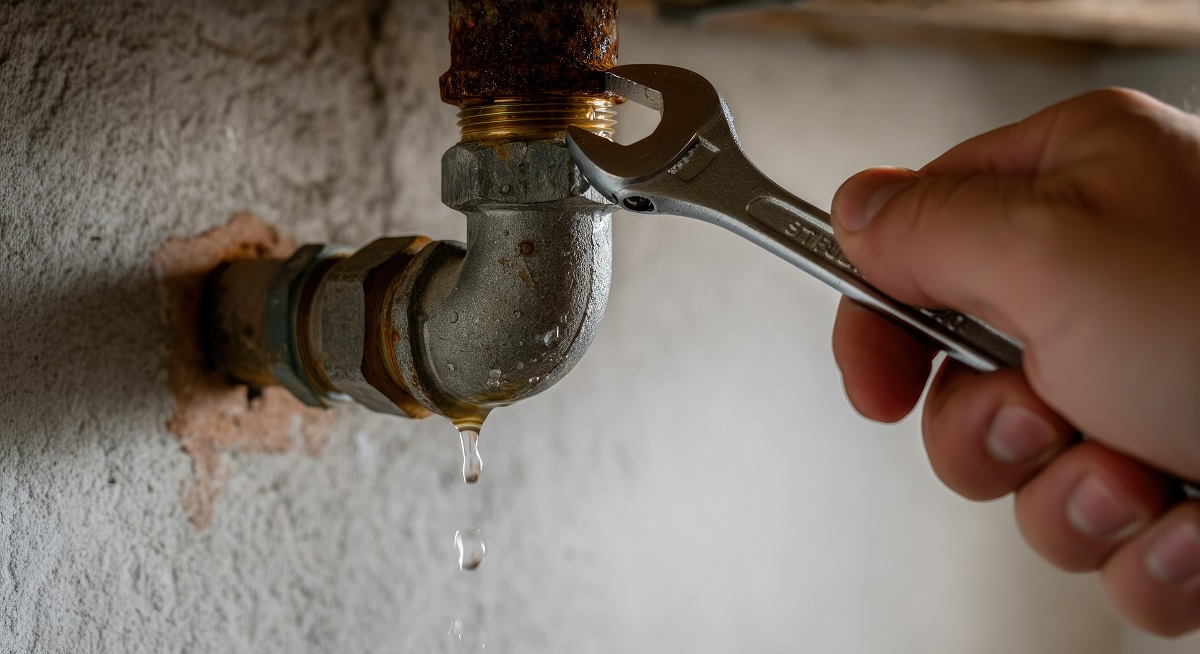
Fixing a leaking pipe becomes much easier when you follow a structured process. Rushing often leads to incomplete repairs or recurring issues, especially if the real cause of the leak isn’t fully addressed. Taking a careful, methodical approach helps you stop the leak effectively while avoiding further damage to your plumbing system or surrounding materials.
Step 1: Turn Off the Water Supply
Start by locating your home’s main shutoff valve, which is usually found near the water meter, outside walls, or in utility areas like a basement or service box. Turn it clockwise until it fully stops.
Once the water is off, open several faucets in your home—preferably both cold and hot taps if possible. This releases remaining pressure inside the pipes and drains excess water trapped in the system. You may hear sputtering at first, which is normal.
It’s also helpful to flush toilets once to reduce water in the line and minimize pressure buildup. Place a bucket or towels under the leaking pipe before moving to the next step, since some residual dripping is expected.
Step 2: Identify the Exact Leak Location
Dry the entire pipe section thoroughly using a clean cloth or paper towel. This step is important because water can travel along the pipe surface and drip from a point that isn’t the actual source.
After drying:
- Watch closely for fresh moisture forming
- Run your fingers gently along the pipe (if safe) to detect dampness
- Use a flashlight in dark or tight spaces for better visibility
If the leak is hidden behind insulation, wrapping, or wall panels, carefully expose a small section to inspect the pipe directly. Take your time here—misidentifying the source often leads to ineffective repairs and repeat leaks.
Step 3: Clean and Prepare the Area
Before applying any repair material, the pipe surface must be clean and dry. Dirt, grease, rust, or old sealant can prevent proper adhesion and reduce the effectiveness of the fix.
To prepare the area:
- Use a dry cloth to remove moisture completely
- Scrape off rust or mineral buildup with sandpaper or a wire brush
- Wipe the area with a clean rag to remove debris
- Let it air dry for a few minutes if needed
If the pipe is metal and has visible corrosion, smoothing the surface helps create a stronger bond for sealants or epoxy. For plastic pipes, focus mainly on removing dirt and ensuring the surface is dry.
Step 4: Apply a Temporary or Permanent Seal
Choose your repair method based on the size and severity of the leak. Small pinhole leaks require different treatment than loose joints or cracked sections.
Common repair options include:
- Epoxy putty: Knead until soft, then press firmly over the leak. It hardens and creates a strong waterproof seal, ideal for pinholes and hairline cracks
- Plumber’s tape: Wrap tightly around threaded joints where small leaks occur. Apply multiple layers for better sealing
- Rubber patch with clamp: Place rubber over the leak and secure it tightly with a hose clamp or metal band. Best for slightly larger leaks or pipe surface damage
When applying any material, extend coverage beyond the leak area by at least a few centimeters on all sides. This ensures the seal holds under pressure once water flow resumes.
Allow curing time if using epoxy or sealant products—rushing this step can cause the repair to fail when water pressure returns.
Step 5: Tighten or Replace Fittings
If the leak originates from a joint or connection, the issue may simply be loosened fittings rather than pipe damage.
Using an adjustable wrench:
- Hold the pipe steady with one hand (if possible)
- Tighten the fitting slowly and carefully in small increments
- Stop as soon as resistance increases
Avoid overtightening, as this can strip threads, crack fittings, or worsen the leak. If tightening does not resolve the issue, disassemble the joint and inspect the washer, O-ring, or seal inside. Damaged components should be replaced rather than reused.
In some cases, applying fresh plumber’s tape to threaded connections before reassembling improves sealing performance.
Step 6: Test the Repair
Once the seal or fitting adjustment is complete, slowly restore water flow by reopening the main valve. Do this gradually rather than turning it fully on at once, as sudden pressure surges can weaken fresh repairs.
While water is flowing:
- Watch the repaired area closely for drips or seepage
- Check surrounding surfaces for moisture buildup
- Run nearby taps to stabilize pressure across the system
If no leaks appear after a few minutes, the initial repair is likely successful. However, keep monitoring during this stage rather than walking away immediately.
Step 7: Observe Over Time
Even if everything looks dry initially, some leaks only reappear after pressure builds over time. This is why monitoring is just as important as the repair itself.
Over the next few days:
- Check the repaired area morning and evening
- Look for faint moisture, discoloration, or damp smells
- Re-test water pressure during peak usage hours
If the leak returns, it may indicate a deeper issue such as pipe corrosion, hidden cracks, or system-wide pressure problems. At that point, a more permanent fix or professional inspection may be necessary.
Consistent observation helps ensure the repair holds and prevents small issues from turning into larger plumbing failures.
What Temporary Fixes Can You Use Before Permanent Repairs?
Sometimes you need a quick solution before you can properly repair a pipe, especially if a plumber is not immediately available.
Temporary fixes include:
- Rubber patches secured with hose clamps
- Waterproof tape designed for plumbing use
- Epoxy putty molded around the leak
- Pipe sealant compounds for threaded joints
- Wrapping cloth and tightening with zip ties in emergencies
These methods are not long-term solutions, but they can significantly reduce water loss and prevent damage until proper repairs are done.
Temporary fixes are especially useful for:
- Overnight leaks
- Emergency situations
- Hard-to-reach pipe sections
- Waiting periods before replacement parts arrive
How Do Pipe Repairs Improve Water Efficiency in Your Home?
Fixing leaks is not just about preventing damage—it directly impacts how efficiently your home uses water. Even a small drip can waste hundreds of liters over time, which adds up in both environmental impact and utility costs.
When you address leaks early, you reduce unnecessary water loss and help maintain consistent pressure throughout your plumbing system. This also allows appliances like washing machines, dishwashers, and water heaters to operate more efficiently.
In fact, consistent attention to minor plumbing issues contributes to better overall system performance and encourages more responsible water usage habits. Many homeowners find that routine inspection and timely repairs fall under broader plumbing repair and maintenance solutions practices that help reduce long-term costs and prevent unexpected breakdowns.
Improved water efficiency also means:
- Lower monthly utility bills
- Reduced strain on municipal water systems
- Longer lifespan for plumbing fixtures
- Fewer emergency repairs over time
By making leak repair a priority, you’re not just fixing a problem—you’re improving your home’s entire water management system.
When Should You Repair vs Replace a Pipe?
Not every leaking pipe should be repaired. In some cases, replacement is more cost-effective and safer in the long run.
Consider replacement if:
- The pipe is heavily corroded or rusted
- Multiple leaks are appearing in different sections
- The pipe material is outdated (such as old galvanized steel)
- Repairs only provide short-term fixes
- Water damage is recurring in the same area
Repair is usually best when:
- The leak is isolated and small
- The pipe is relatively new
- The damage is due to a loose joint or minor crack
- The rest of the plumbing system is in good condition
Making the right decision here prevents repeated problems and unnecessary repair costs.
How Can You Prevent Future Pipe Leaks?
Prevention is often easier and cheaper than repair. A proactive approach to plumbing care helps you avoid sudden leaks and water damage.
Helpful prevention strategies include:
- Regularly checking exposed pipes for moisture or rust
- Monitoring water pressure levels in your home
- Insulating pipes during cold weather
- Avoiding chemical drain cleaners that weaken pipe material
- Scheduling routine plumbing inspections
- Fixing small drips before they worsen
Small maintenance habits go a long way in keeping your plumbing system stable and reliable. Consistent upkeep also helps reduce unexpected disruptions and supports the goal to keep your property running smoothly over time by minimizing avoidable plumbing issues and maintaining steady water flow throughout the home.
Closing Thoughts
A leaking pipe may start as a minor inconvenience, but it can quickly escalate into a costly and disruptive problem if ignored. By understanding the causes, recognizing early warning signs, and knowing how to respond with the right tools and techniques, homeowners can take control of the situation before it becomes serious.
Whether you choose a temporary fix or a permanent repair, the key is acting quickly and monitoring the system afterward. Combined with regular maintenance and smart water use habits, pipe repair becomes part of a larger strategy to protect your home, reduce waste, and maintain efficiency for years to come.