Strategic Repairs to Slash Your Long-Term Maintenance Costs
Every homeowner knows the sudden pang of anxiety that accompanies a strange clanking noise from the basement, a dark spot widening on the living room ceiling, or a slow-draining kitchen sink. For many, the instinct is to wait. We tell ourselves that the noise isn’t that loud, the spot isn’t that big, or the water is still going down eventually. This reactive mindset—waiting for a total system failure before taking action—is the single most expensive way to manage a property.
Deferred maintenance is a financial black hole. What begins as a minor five-dollar fix can easily mutate into a five-thousand-dollar structural emergency if left ignored for a few seasons. When you neglect small repairs, you are not saving money; you are simply taking out a high-interest loan against your home’s equity, and the bill will eventually come due.
To break this cycle, you must shift from a reactive mindset to a preventative philosophy. This means viewing your home not as a static shelter, but as a complex ecosystem of interconnected systems. When one component underperforms, it places undue stress on everything else. By investing in strategic, timely repairs, you can optimize your home’s efficiency, prolong the lifespan of your appliances, and drastically reduce your total cost of ownership.
Fortifying the Envelope: Protecting Your Home from the Elements
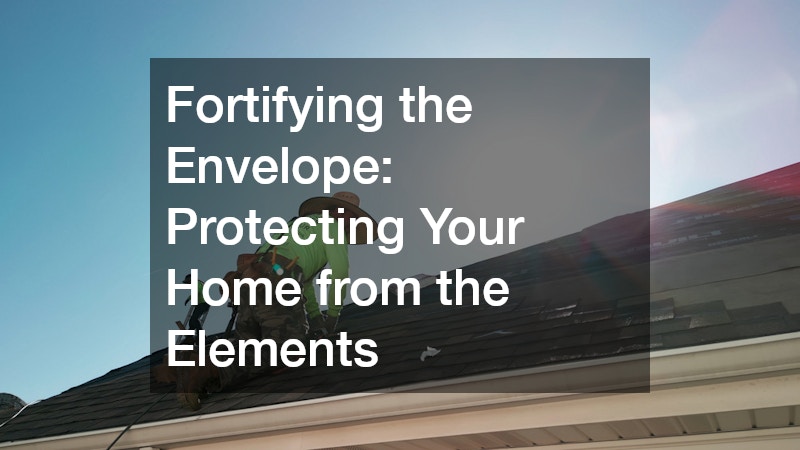
Your home’s exterior envelope is its first line of defense against atmospheric conditions. Wind, rain, snow, and fluctuating temperatures constantly assault your roof and walls. If this outer shield is compromised, moisture will find its way inside, leading to structural rot, ruined insulation, and compromised indoor air quality.
Catching Minor Leaks Before They Cause Structural Rot
Water is a homeowner’s greatest enemy. By the time a water stain appears on your drywall, a leak may have already been active for months, quietly rotting the plywood decking and rafters above. To prevent this, you should conduct a thorough exterior inspection at least twice a year, specifically after major storms.
- Inspect the Flashing: Look closely at the metal transitions around chimneys, dormers, and valleys. Cracked sealant or lifting flashing is the primary cause of sudden water intrusion.
- Examine the Shingles: Search for curling, buckling, or missing shingles. If you notice a heavy accumulation of granules in your gutters, it indicates that your roofing material is reaching the end of its functional life.
- Clear the Valleys: Debris like leaves and pine needles can trap moisture against your roof surface, accelerating deterioration.
Taking care of minor roof repairs early prevents water from penetrating into your attic space, preserving your home’s structural framing and preventing insulation from losing its R-value.
Upgrading Barriers to Eliminate Drafts and Energy Loss
Windows and doors are the literal gaps in your home’s armor. Over time, houses settle, and the seals around these openings degrade. This leads to air infiltration, forcing your heating and cooling equipment to work significantly harder to maintain a stable indoor climate.
- The Flashlight Test: Have someone stand outside at night while you shine a flashlight around the interior window frame. If light escapes, air does too.
- Replace Worn Weatherstripping: Cracked or flattened rubber and foam seals should be peeled away and replaced annually.
- Caulk the Trim: Check the exterior caulking where the window frame meets your siding. Use a high-grade silicone or polyurethane caulk to seal any hairline fractures.
If your windows are single-pane or structurally warped, sealing them may only offer a temporary fix. Researching top window manufacturers can help you identify high-efficiency, double- or triple-pane options that permanently lower your monthly utility costs while enhancing your home’s curb appeal.
Optimizing Climate Control: Boosting HVAC Efficiency and Lifespan
Heating, ventilation, and air conditioning systems represent some of the most substantial capital investments in any household. They are also mechanical systems with numerous moving parts that experience significant wear and tear. Regular calibration and minor adjustments can mean the difference between a system that lasts fifteen years and one that fails catastrophically after seven.
Calibrating Your System for Peak Seasonal Performance
A heating system that struggles to keep up with winter temperatures is not just uncomfortable; it is consuming an excessive amount of energy and wearing out its internal components at an accelerated rate. Many furnace failures are completely preventable and stem from basic neglect.
- Check the Flame Sensor: A dirty flame sensor will cause your furnace to shut off prematurely, a cycle known as short-cycling, which places massive stress on the igniter.
- Inspect the Heat Exchanger: Look for hairline cracks that could allow dangerous carbon monoxide to enter your living spaces.
- Replace Filters Monthly: A clogged filter restricts airflow, forcing the blower motor to run hotter and consume more electricity.
Staying on top of minor heating repair needs during the autumn months ensures that your furnace operates safely and efficiently when the freezing weather hits, avoiding emergency diagnostic fees on the coldest night of the year.
Extending the Lifecycle of High-Dollar Capital Assets
During the summer, your cooling system faces immense pressure to reject heat from inside your home. When the condenser coils outside are caked with dirt, lawn clippings, or surrounded by overgrown brush, the system cannot shed heat effectively. This raises head pressures inside the compressor, leading to electrical faults or mechanical seizure.
- Clear the Perimeter: Maintain a two-foot clearance around your outdoor unit to ensure uninhibited airflow.
- Straighten the Fins: Use a cheap fin comb to straighten bent aluminum cooling fins that block air passage.
- Monitor the Condensate Line: Ensure the drain line is dripping freely; a blockage can back up and cause water damage to your floors or trigger a safety switch that shuts down your cooling entirely.
Proactive upkeep on air conditioning systems reduces your monthly electrical bills and extends the operational lifespan of the equipment, pushing the massive expense of a full system replacement far into the future.
Defensive Plumbing: Preventing Catastrophic Water Damage
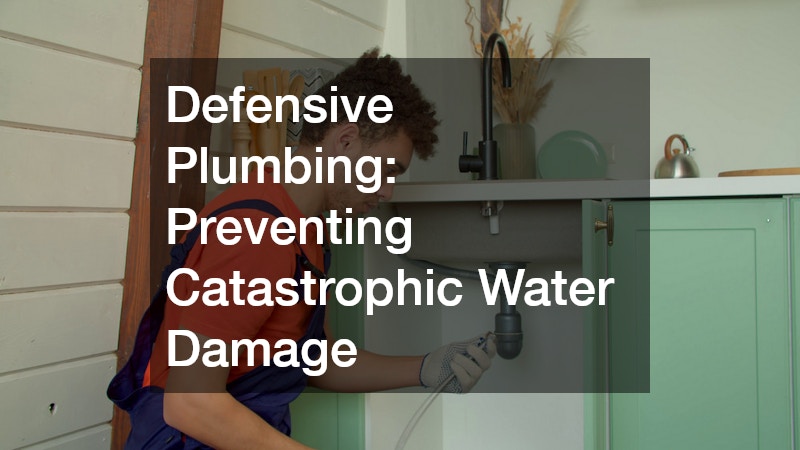
Plumbing systems operate under constant pressure, hidden completely out of sight behind your walls and beneath your floors. Because you cannot see the pipes, it is easy to adopt an “out of sight, out of mind” attitude until a major rupture occurs. Defensive plumbing focuses on maintaining free-flowing drains and managing system pressures.
Maintaining Unobstructed Waste Lines to Avoid Backups
Slow drains are more than just a minor daily annoyance; they are an early warning sign that a total blockage is forming. When waste lines become choked with grease, hair, soap scum, or invasive tree roots, pressure builds within the drainage network.
- Avoid Chemical Cleaners: Harsh chemical liquids erode older metal pipes and destroy the helpful bacteria in septic systems.
- Use Drain Strainers: Prevent hair and solid food waste from entering the infrastructure in the first place.
- Know the Signs: Gurgling sounds coming from your toilets when you run the washing machine indicate a serious clog forming deep within your main sewer line.
Scheduling professional drain cleanings clears out stubborn blockages before they cause raw sewage to back up into your tubs, showers, and basement floor drains.
Vetting Professionals for Complex System Upgrades
While changing a faucet washer or clearing a P-trap are excellent weekend DIY projects, large-scale plumbing interventions require a deep understanding of hydraulic pressures, venting codes, and material compatibility. Improperly installed piping can lead to slow water leaks that rot subfloors or cause dangerous pressure spikes in your water heater.
- Verify Licensing and Insurance: Always request proof of valid credentials to protect yourself from liability.
- Ask About Permits: Legitimate professionals know when a permit is required by your municipality and will handle the filing process.
- Establish a Long-Term Relationship: Having a trusted technician who knows the history of your home’s infrastructure makes troubleshooting future issues much faster and cheaper.
Building a solid relationship with reputable plumbing contractors guarantees that when you need a major valve replacement or a water heater upgrade, the work is executed perfectly the first time, preventing costly code corrections down the road.
Indoor Air Quality and Structural Health: Mitigating Invisible Risks
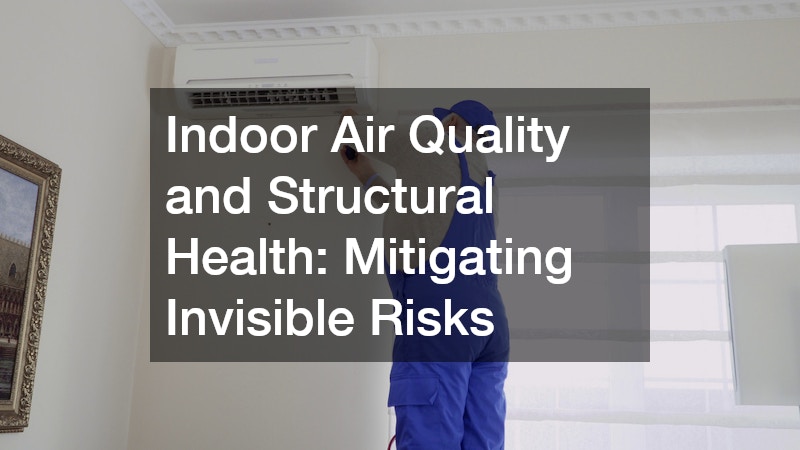
The air circulating through your home impacts both your personal physical health and the structural integrity of your building materials. Poor ventilation and unmanaged moisture create a breeding ground for hidden hazards that can quietly devalue your property while diminishing your comfort.
Remediating Moisture and Microbial Growth Early
Every home contains microscopic spores waiting for the perfect environment to grow. All they require is organic material, like the paper backing on drywall, and a consistent source of moisture. Basements, crawlspaces, and bathrooms are the highest-risk areas for these issues.
- Run Exhaust Fans: Leave bathroom fans running for at least twenty minutes after every shower to fully expel humid air.
- Monitor Humidity Levels: Keep your home’s indoor relative humidity below fifty percent using a standalone dehumidifier in damp basements.
- Address Foundation Cracks: Seal small exterior concrete fissures to stop groundwater from seeping into your lower living levels.
If you discover a significant patch of growth after a pipe leak or a heavy flood, ignoring it will allow the contamination to spread via your HVAC system. Reaching out to a certified mold removal company ensures that the spores are safely contained and eradicated, protecting your family’s respiratory health and saving you from incredibly expensive remediation bills later.
Maximizing Airflow Efficiency Through Clean Ventilation
Your ductwork acts as the respiratory tract of your house. Over the course of several years, these hidden metal or fiberglass passages accumulate a thick layer of dust, pet dander, pollen, and construction debris. This accumulation creates friction, resisting the flow of air delivered by your air handler.
- Seal Duct Joints: Use mastic sealant or foil tape on visible duct joints in your basement or attic to prevent conditioned air from escaping into unconditioned spaces.
- Keep Registers Open: Closing supply registers in unused rooms throws your HVAC system out of balance, increasing static pressure and damaging the motor.
- Inspect Return Grilles: Vacuum the return grilles regularly to keep dust from being pulled back into the mechanical equipment.
Arranging for a comprehensive duct cleaning service removes built-up debris from the depths of your ventilation network, instantly improving systemic airflow, reducing energy consumption, and creating a cleaner indoor environment.
Exterior Durability and Mechanical Access: Long-Term Protection
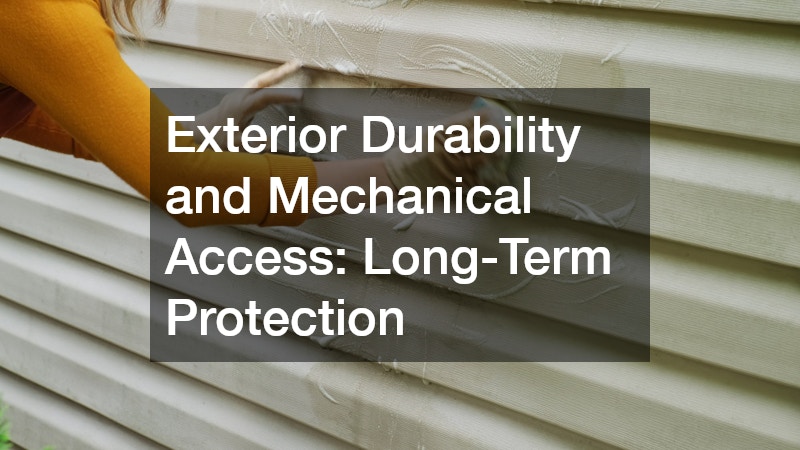
The structural health of your home depends heavily on the condition of its exterior finishes and the mechanical entry points that you rely on every day. If these components are neglected, they can quickly turn into structural vulnerabilities or sudden safety hazards.
Upgrading Your Home’s Armor Against Pests and Weather
Your home’s siding does more than look good; it keeps wind-driven rain from contacting your wood framing and stops insects and rodents from chewing their way into your walls. Wood siding requires frequent painting and caulking, while older vinyl can crack and become brittle from UV exposure.
- Look for Soft Spots: Use a screwdriver to gently tap along the lowest rows of your exterior walls to check for soft, rotted wood.
- Mind the Ground Clearance: Ensure your exterior finishes sit at least six inches above the soil line to prevent termites from building mud tubes directly into your home.
- Wash Annually: Power washing your home removes algae and mold that can degrade protective paint layers over time.
When your exterior finishes begin to fail globally, patch jobs are no longer cost-effective. Investing in a high-quality siding installation provides a modern, durable thermal barrier that cuts down your heating costs and eliminates the ongoing expense of frequent exterior painting and rot repairs.
Tensioning and Lubricating Heavy Moving Mechanisms
The garage door is often the largest and heaviest moving object in a residential property. It relies on a delicate balance of counterweights, high-tension springs, steel cables, and rollers to operate smoothly. Because it moves multiple times a day, vibration slowly loosens fasteners and degrades lubrication.
- Lubricate the Tracks and Rollers: Apply a high-quality silicone or lithium spray to the rollers and hinges twice a year; never use heavy grease, which attracts destructive grit.
- Tighten the Hardware: Use a socket wrench to snug up the bolts on the tracks and door hinges that loosen over time due to constant vibration.
- Test the Auto-Reverse: Place a block of wood under the door to ensure the safety eyes and pressure sensors instantly reverse the door upon contact.
Committing to routine garage door maintenance prevents unexpected cable snaps and spring breaks, ensuring your vehicle is never trapped inside and keeping you safe from sudden mechanical failures.
Lowering your home maintenance costs is not about finding cheap quick-fixes or ignoring problems until they disappear. It is about discipline, observation, and taking swift action when a minor issue presents itself. The compound effect of small, regular investments in your property is immense. By systematically tackling roof leaks, window drafts, HVAC tune-ups, plumbing blockages, and exterior vulnerabilities, you prevent the massive financial shocks that catch unprepared homeowners off guard.
Take a walk around your property this weekend with a notepad in hand. Inspect your foundation, listen to your climate control units, check under your sinks, and look up at your roof line. Create a seasonal maintenance checklist tailored to your home’s unique age and layout. By taking control of your home’s repairs today, you protect your hard-earned wealth and build a more reliable, comfortable place to live for tomorrow.