5 Essential Home Improvement Tips That Keep Your Property Running Smoothly
Keeping a property running smoothly requires more than responding to problems when they arise. Homes and buildings function as interconnected systems, where a failure in one area often creates strain in others. Small issues—when overlooked—can quietly escalate into expensive repairs, safety concerns, and avoidable disruptions to daily life. Proactive maintenance, informed decision-making, and timely professional support are essential to protecting both comfort and long-term value.
Many property owners struggle to determine which services matter most, how often systems should be inspected, and when professional involvement becomes necessary. With so many moving parts involved in maintaining a home, it’s easy to feel reactive rather than prepared. The key is understanding how essential services work together to support structural integrity, efficiency, and livability.
This guide explores the most important home improvement services that help properties operate reliably year after year. By focusing on prevention, efficiency, and strategic planning, homeowners can reduce stress, avoid emergencies, and create a safer, more functional living environment.
1. Preventing Water Damage and Mechanical Failures Before They Escalate
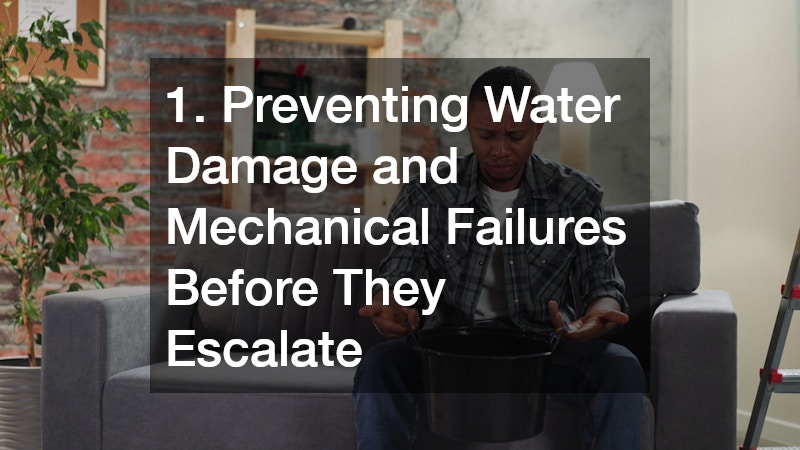
Water-related problems are among the most damaging and costly issues a property can face. Leaks, pressure failures, and system malfunctions often develop slowly, causing hidden damage long before visible symptoms appear. Working proactively with qualified plumbers and a reliable well pump company helps prevent these problems from escalating into emergencies.
What makes water issues particularly challenging is that they often occur out of sight. Leaks behind walls, under floors, or beneath foundations can weaken structural materials, promote mold growth, and compromise indoor air quality without any immediate warning. By the time visible signs such as staining, warping, or odors appear, repairs are often more extensive and expensive. Proactive plumbers monitoring and professional inspections help identify subtle changes in pressure, flow, or system performance that may indicate developing problems.
Preventive attention also protects connected systems throughout the property. Appliances, fixtures, and heating equipment all rely on consistent water delivery and proper pressure regulation. Even minor fluctuations can shorten equipment lifespan or reduce efficiency over time. Addressing these issues early not only minimizes repair costs but also improves overall system reliability.
In addition, proactive water system care provides peace of mind. Knowing that critical components are maintained with the support of a trusted well pump company reduces the likelihood of sudden failures that disrupt daily routines or require urgent, after-hours service. Consistent oversight transforms water management from a reactive concern into a controlled, predictable part of property maintenance.
Identifying Early Signs of Water System Problems
Small warning signs are often dismissed until they become disruptive. Paying attention early can prevent significant damage.
Common indicators include:
-
Reduced water pressure throughout the property
-
Unusual sounds from pipes or pumping systems
-
Discolored water or sediment buildup
-
Slow drains or recurring clogs
These symptoms may point to aging components, mineral buildup, or mechanical strain that requires professional assessment.
Establishing a Routine Inspection Schedule
Benefits of routine inspections include:
-
Early detection of leaks or corrosion
-
Improved water efficiency
-
Reduced likelihood of sudden breakdowns
-
Extended system lifespan
Consistency is especially important for properties relying on private water systems, where mechanical reliability directly affects daily use.
Protecting Water Supply and Distribution Systems
Water systems must deliver consistent pressure and maintain quality standards. Mechanical issues, pressure fluctuations, or contamination risks can affect appliances, fixtures, and overall comfort.
When pressure is too low, everyday tasks such as showering, washing dishes, or running appliances become inefficient and frustrating. On the other hand, excessively high pressure places unnecessary strain on pipes, fittings, and valves, increasing the risk of leaks or sudden failures. Maintaining balanced pressure helps protect the entire system while ensuring dependable performance throughout the property.
Water quality is equally important. Sediment, mineral buildup, or contaminants can damage fixtures, clog appliances, and reduce the effectiveness of water-using equipment. Over time, these issues may lead to shortened appliance lifespans, frequent maintenance needs, and increased operating costs. Regular system checks help identify filtration issues, buildup, or component wear that could compromise water quality.
Consistent pressure and clean water also contribute to overall comfort and health. Properly functioning systems provide reliable hot water delivery, stable temperatures, and smooth operation across all fixtures. By addressing mechanical issues early and monitoring quality standards, property owners can maintain a dependable water supply that supports daily routines, protects investments, and prevents avoidable disruptions.
Preventive measures include:
-
Monitoring pressure levels
-
Flushing systems when necessary
-
Replacing worn components proactively
-
Ensuring proper filtration
These steps reduce strain on the system and minimize unexpected interruptions.
Planning for Long-Term Reliability
Every water system has a finite lifespan. Planning ahead for upgrades allows homeowners to replace aging components strategically rather than during emergencies.
Long-term planning helps:
-
Spread costs over time
-
Avoid water damage from sudden failures
-
Maintain consistent performance
-
Protect property value
Proactive management turns water systems into dependable assets rather than ongoing risks.
2. Maintaining Structural Integrity From the Top Down
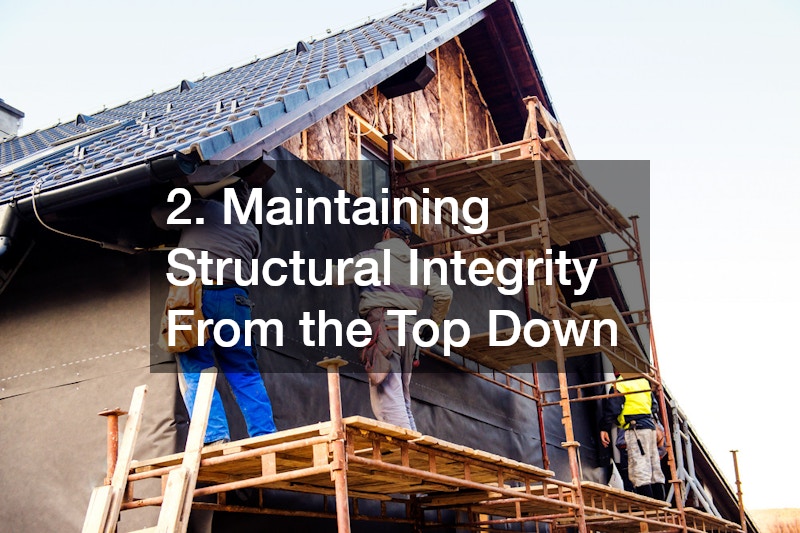
A property’s structural integrity begins at the top. The roof protects everything beneath it, yet it’s often overlooked until visible damage appears. Working with a trusted local roofing company and understanding when roof replacement is necessary are critical to maintaining a safe, dry structure.
Monitoring Roof Conditions Throughout the Year
Roofs are exposed to constant environmental stress, including sun, wind, rain, and debris. Regular monitoring helps identify vulnerabilities early, before a roof replacement is needed.
Signs to watch for include:
-
Missing or damaged materials
-
Sagging areas or uneven surfaces
-
Interior ceiling stains or moisture
-
Granule accumulation near gutters
Seasonal inspections are especially important after storms or extreme weather events.
Knowing When Repairs Are No Longer Sufficient
While minor damage can often be repaired, repeated issues may signal deeper structural concerns. Continuing to patch an aging roof often leads to escalating costs and interior damage.
Indicators that repairs may no longer be enough:
-
Persistent leaks despite multiple fixes
-
Widespread material deterioration
-
Structural weakening beneath surface layers
-
Increasing energy loss
Recognizing these signs early allows for informed decisions rather than rushed replacements.
Preparing for Major Exterior Projects
Planning ahead minimizes disruption and ensures better outcomes. Coordinating roofing work with other exterior projects—such as siding or gutter improvements—can save time and money.
Preparation tips include:
-
Scheduling work during favorable weather
-
Reviewing warranties and material options
-
Coordinating timelines with other contractors
-
Preparing interior spaces for temporary disruption
Thoughtful planning reduces stress and protects surrounding structures.
Protecting Property Value Through Structural Care
A well-maintained roof supports resale value, insurance eligibility, and long-term durability. Structural neglect, on the other hand, often leads to costly interior repairs.
Consistent care helps:
-
Prevent moisture intrusion
-
Maintain insulation performance
-
Reduce long-term maintenance costs
-
Preserve curb appeal
Roof care is not just about shelter—it’s a cornerstone of property stability.
3. Optimizing Indoor Comfort and Energy Performance
Indoor comfort depends heavily on climate control systems. Working with experienced hvac installers and staying consistent with ac maintenance ensures reliable performance, energy efficiency, and year-round comfort.
Understanding How Climate Systems Impact Daily Living
Heating and cooling systems influence more than temperature. They affect humidity levels, air quality, and overall livability.
Properly functioning ac maintenance helps:
-
Maintain consistent indoor temperatures
-
Reduce allergens and airborne particles
-
Improve sleep and productivity
-
Control energy costs
Neglected systems often struggle to keep up, leading to discomfort and inefficiency.
Scheduling Preventive Service to Avoid Breakdowns
Preventive maintenance is far more cost-effective than emergency repairs. Routine service keeps systems running efficiently and identifies issues before they escalate.
Preventive care typically includes:
-
Cleaning coils and filters
-
Checking refrigerant levels
-
Inspecting electrical components
-
Testing airflow and controls
Regular service reduces the risk of system failure during peak usage.
Improving System Efficiency Without Full Replacement
Not every comfort issue requires replacing an entire system. Many efficiency improvements can be achieved through targeted adjustments.
Options may include:
-
Sealing duct leaks
-
Upgrading thermostats
-
Improving insulation
-
Balancing airflow
These measures enhance performance while extending system lifespan.
Planning Upgrades With Long-Term Savings in Mind
Eventually, systems reach the end of their useful life. Planning upgrades strategically allows homeowners to balance upfront costs with long-term savings.
Considerations include:
-
System age and efficiency ratings
-
Energy consumption patterns
-
Home size and layout
-
Future comfort needs
Well-timed upgrades reduce operating costs and improve reliability.
4. Enhancing Functionality and Safety in High-Use Areas
Some areas of a home experience constant use, making them more prone to wear and safety concerns. Timely garage door repair and thoughtful kitchen cabinet upgrades help maintain both function and safety in these high-traffic spaces.
Addressing Wear and Tear in Frequently Used Features
Daily use places mechanical and structural stress on moving kitchen cabinet components and storage systems. Ignoring minor issues often leads to larger failures.
Common concerns include:
-
Noisy or uneven door movement
-
Loose hinges or hardware
-
Warped or damaged storage components
-
Misaligned tracks or doors
Early attention prevents accidents and extends usability. Addressing minor issues through timely garage door repair helps ensure smooth operation, reduces the risk of sudden malfunctions, and protects both people and property from avoidable safety hazards.
Improving Storage, Access, and Organization
Efficient storage reduces clutter, improves accessibility, and enhances safety. Functional layouts support daily routines and reduce strain.
Improvements may involve:
-
Reconfiguring storage layouts
-
Reinforcing load-bearing components
-
Adding soft-close mechanisms
-
Improving lighting and visibility
Well-designed spaces promote efficiency and reduce frustration.
Coordinating Functional Updates With Broader Renovations
High-use areas are often updated alongside other improvements. Coordinating projects ensures consistency and avoids redundant work.
Benefits of coordination include:
-
Reduced labor costs
-
Improved design cohesion
-
Shorter project timelines
-
Fewer disruptions
Planning ahead allows upgrades to complement broader goals.
Balancing Aesthetics With Practical Performance
While appearance matters, durability and function should guide material choices. High-quality components perform better under daily use.
Key considerations:
-
Material strength and longevity
-
Ease of maintenance
-
Safety features
-
Compatibility with existing structures
Practical design choices pay off over time.
5. Managing Outdoor Hazards and Property Cleanliness
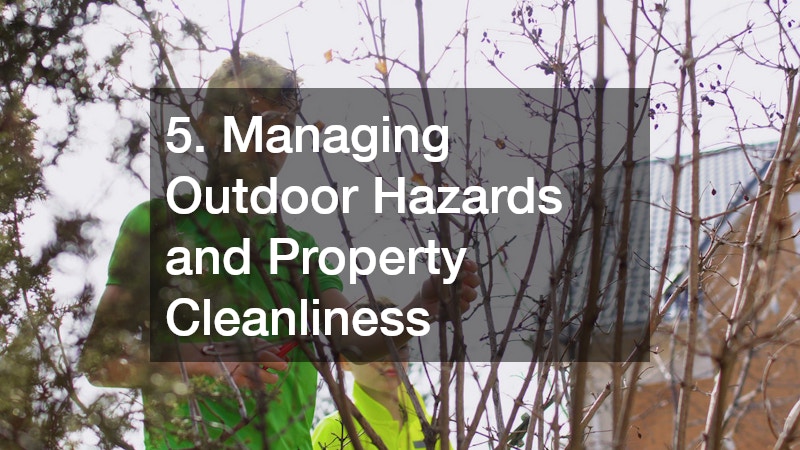
Outdoor spaces directly affect safety, accessibility, and curb appeal. Regular tree service and organized junk removal help prevent hazards while maintaining a clean, functional exterior.
Reducing Risks From Overgrowth and Debris
Uncontrolled vegetation and accumulated debris pose serious risks to structures and occupants.
Potential hazards include:
-
Falling branches
-
Blocked drainage paths
-
Pest attraction
-
Damage to roofs and foundations
Junk removal services and proactive management reduce these threats significantly.
Keeping Exterior Spaces Accessible and Safe
Clear pathways and open spaces improve mobility and emergency access. Cluttered exteriors often hide hazards and reduce usability.
Maintaining accessibility involves:
-
Clearing walkways and driveways
-
Removing unused materials
-
Improving visibility
-
Ensuring proper lighting
Clean spaces enhance both safety and usability.
Supporting Drainage and Foundation Health
Roots, debris, and buildup can interfere with drainage systems, leading to moisture problems near foundations.
Preventive measures include:
-
Managing root growth near structures
-
Clearing gutters and drainage channels
-
Removing obstructions
-
Monitoring grading and runoff
Proper drainage protects structural integrity.
Creating a Maintenance Plan for Exterior Areas
Outdoor care is most effective when scheduled consistently rather than addressed reactively.
A solid plan may include:
-
Seasonal trimming schedules
-
Periodic cleanouts
-
Storm preparation measures
-
Coordination with interior maintenance
Consistency keeps exterior areas safe and functional year-round.
Keeping a property running smoothly requires a thoughtful, proactive approach that prioritizes maintenance, safety, and long-term performance. When essential systems are monitored, serviced, and upgraded strategically, homeowners can avoid many of the disruptions and expenses associated with unexpected failures.
Understanding how different services work together empowers property owners to make informed decisions rather than reacting under pressure. From structural protection and indoor comfort to functional living spaces and outdoor safety, each area contributes to the overall reliability of a home.
By investing in regular care, planning ahead, and addressing issues early, property owners create environments that are not only more comfortable but also more resilient. Thoughtful maintenance transforms homeownership into a more predictable, manageable experience—one that protects both daily living and long-term value.